Pre-season
Inspection, fluid condition, sealing integrity and filter readiness before equipment enters critical field duty.
SEASONAL UPTIME
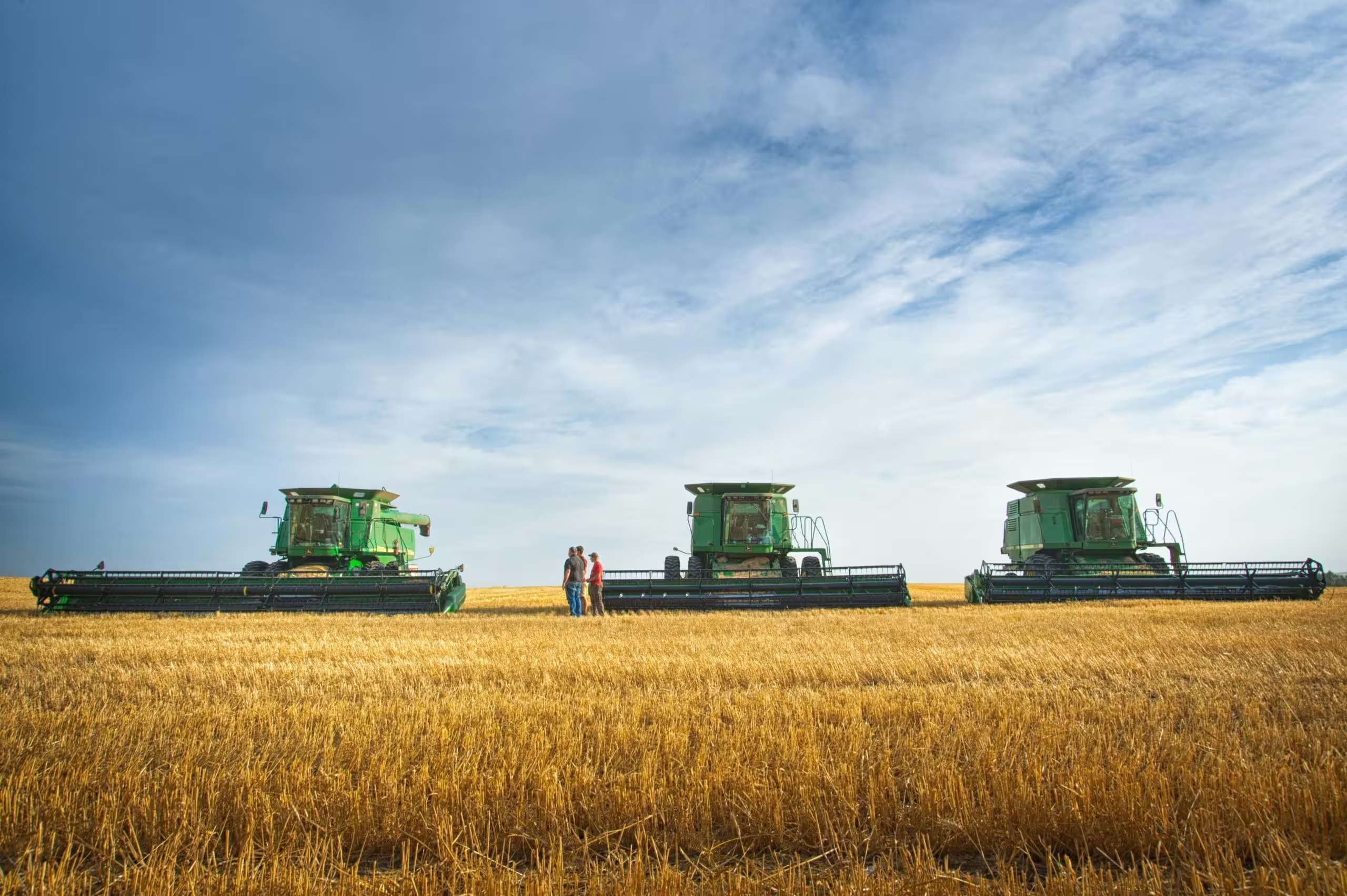
Agriculture concentrates risk into short operating windows. A filter decision that is acceptable during light service may be inadequate once dust loading, crop residue, heat and operating hours increase together.
Inspection, fluid condition, sealing integrity and filter readiness before equipment enters critical field duty.
Dust, long operating hours and hydraulic demand increase while schedule flexibility narrows.
Service discipline must account for changing field conditions, heat, residue and fuel handling.
High particulate load and limited downtime make contamination control part of production continuity.
A tractor, combine, sprayer and irrigation engine may work on the same farm but face very different contamination loads, service access and operating intensity.
FIELD EXPOSURE
The useful question is not simply which filter fits the machine. It is where contamination enters, which system is exposed and what component must remain protected through the seasonal duty cycle.
Airborne particulate and residue
Inspect restriction indication, ducts and seals according to the machine manual.
Ingress, wear particles and service contamination
Use clean sampling and the machine's specified fluid and cleanliness requirements.
Bulk storage, transfer and seasonal handling
Check storage practices, water separation and the specified fuel-filter application.
Particles introduced during storage and refueling
Check storage practices, water separation and the specified fuel-filter application.
Wear debris, soot and service ingress
Review oil condition, service history and the specified lubrication filter.
Dust, pollen and organic airborne debris
Check cabin seals and the specified filter; particulate filtration does not establish pesticide protection.
Agricultural filtration should be selected around the field environment, machine duty, contamination source, protected system and service window—not by equipment category alone.
Planting and harvest windows do not wait for equipment repairs. ELIMFILTERS® filtration technology is engineered to extend service intervals and protect fuel and lubrication systems through heavy dust and long operating hours, which translates into better fuel efficiency and less time in the shop when the season matters most. Less downtime means more productive hours in the field and a lower total cost of ownership across the equipment’s working life.
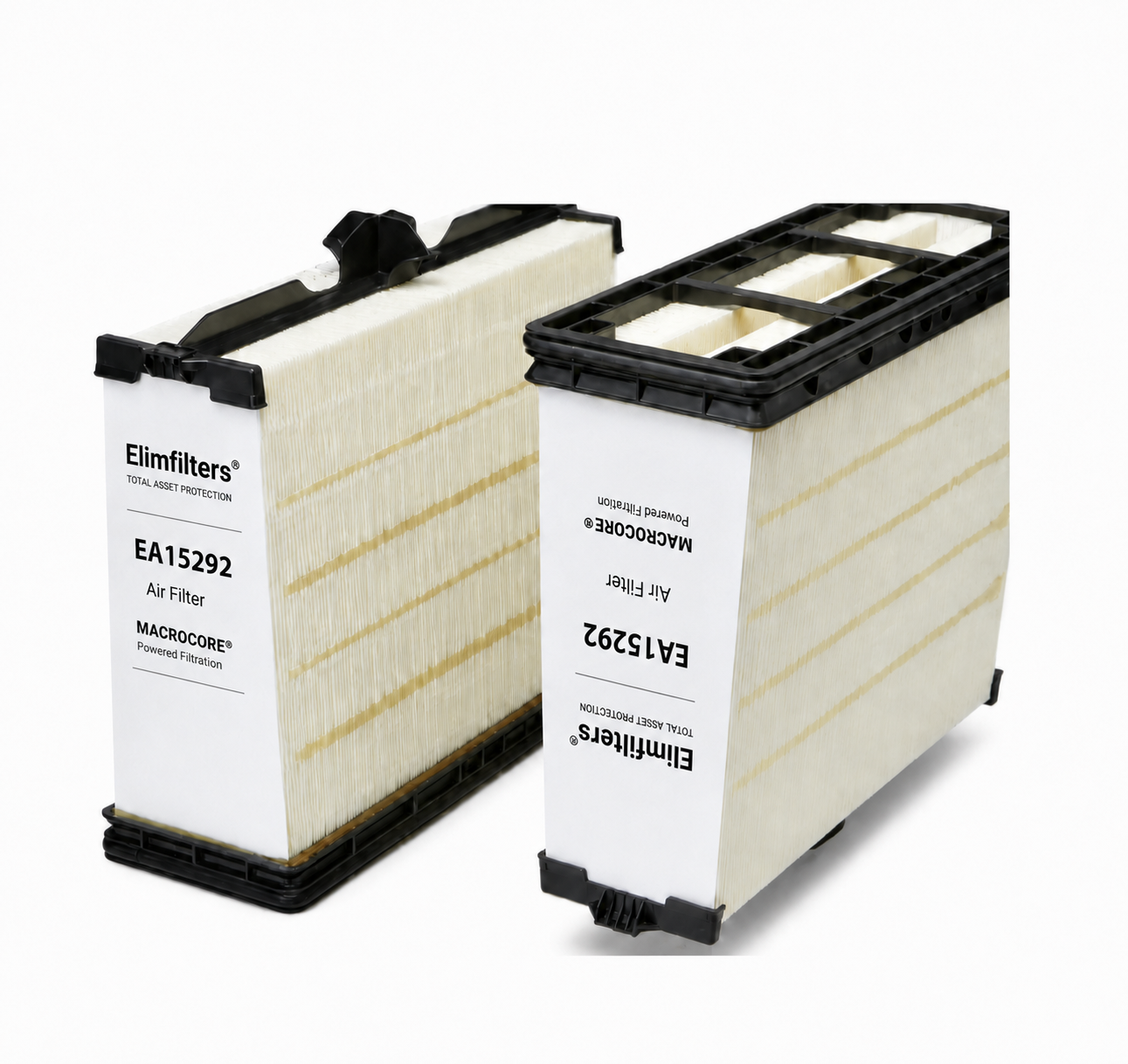
Primary engine-air elements carry the normal particulate load in the intake path, reducing dust transport toward the turbocharger, cylinders and combustion circuit while supporting the engine’s required airflow. MACROCORE™ primary filtration combines the specified media architecture, effective filtration area and sealing geometry to manage dust retention, contaminant-holding capacity and intake restriction. Performance and replacement limits require evidence for the actual element and installation.
View Primary Air →FIELD CONTINUITY
Control dust and organic debris before rising restriction changes engine breathing or service demand.
Protect pumps, valves and actuators that support steering, lifting, implements and precision controls.
Control particulate and water introduced through bulk storage, transfer and field refueling.
Limit contamination that can accelerate wear across bearings and other lubricated interfaces.
Manage cabin particulate where enclosed equipment operates in dust, pollen and crop residue.
Use operating conditions and contamination load to plan service around real field demand.
AVAILABILITY & OWNERSHIP COST
A service decision affects more than the price of a filter: labor, travel, parts availability and the loss of productive hours must be evaluated for each asset.
Prioritize critical machines before planting or harvest. Record operating hours, symptoms, service history and available backup capacity.
Plan access, safe isolation, clean handling and the correct parts. Record the machine serial number, installed references and work completed.
Check sealing, leaks and system indications using the equipment manufacturer's procedure. Document findings and the next service criteria; do not impose a universal replacement interval.
FROM FIELD CONDITION TO PART
Identify the tractor, combine, sprayer, irrigation engine or support asset.
Define dust, crop residue, moisture, fuel handling, heat and operating intensity.
Establish seasonal hours, loading, service access and maintenance window.
Determine whether the primary risk is air intake, hydraulic, fuel, lubrication or cabin air.
Confirm the final filter through OEM reference, dimensions and validated application data.
AGRICULTURAL FILTRATION QUESTIONS
Start with the machine and field environment, identify where contamination enters, determine which system and component must remain protected, then validate the final filter using OEM reference, dimensions and application evidence. The correct strategy is driven by duty and contamination exposure, not equipment category alone.
Planting and harvest concentrate long operating hours, dust exposure, crop residue and limited service windows into short periods. Filtration strategy should therefore account for seasonal duty, contamination load and maintenance access rather than relying on a generic calendar interval.
Air intake, hydraulic, fuel and lubrication systems are central to agricultural asset protection, while cabin air quality can also matter in enclosed operator environments. Priority depends on the machine, field conditions, duty cycle and protected component.
Fine soil dust and organic residue can increase loading on the air-intake system. Restriction trend, sealing integrity, element capacity and service practice should be considered together because contamination risk increases when dust bypasses the intended protection path.
Tractors, combines, sprayers and implements rely on pumps, valves, actuators and precision controls. Contamination can affect hydraulic response and component life, so filtration should be matched to system sensitivity, duty and service conditions.
Fuel can pick up particulate or water through bulk storage, transfer equipment, tank breathing, condensation and field refueling. The protection strategy should therefore consider the complete fuel-handling path before fuel reaches the engine.
No. A calendar or hour interval does not describe contamination loading by itself. Selection and service planning should also consider dust, residue, moisture, duty cycle, restriction trend, system sensitivity and the real maintenance window.
Use the machine, engine, protected system, field conditions, duty cycle and any known OEM or current filter reference. Dimensions and validated application evidence should confirm the final product selection.
Yes. If the OEM reference or current filter number is known, Part Search provides the fastest route to cross-reference and application information. For an engineering review, include the machine, engine, system and operating conditions.
HAVE A MACHINE OR FIELD-DUTY PROBLEM?
Send machine model and serial number, engine, operating hours, protected system, symptoms, service history and current filter references. Include the planned work window.
PLAN AGRICULTURAL MAINTENANCE