Product-level evidence
Efficiency, pressure-drop and capacity values belong to validated individual filter data and the applicable test method.


FILTRATION TECHNOLOGY
Cabin air filtration
An HVAC filtration architecture for controlling airborne particulate before it enters the ventilation system and occupied cabin.
DESCRIPTION
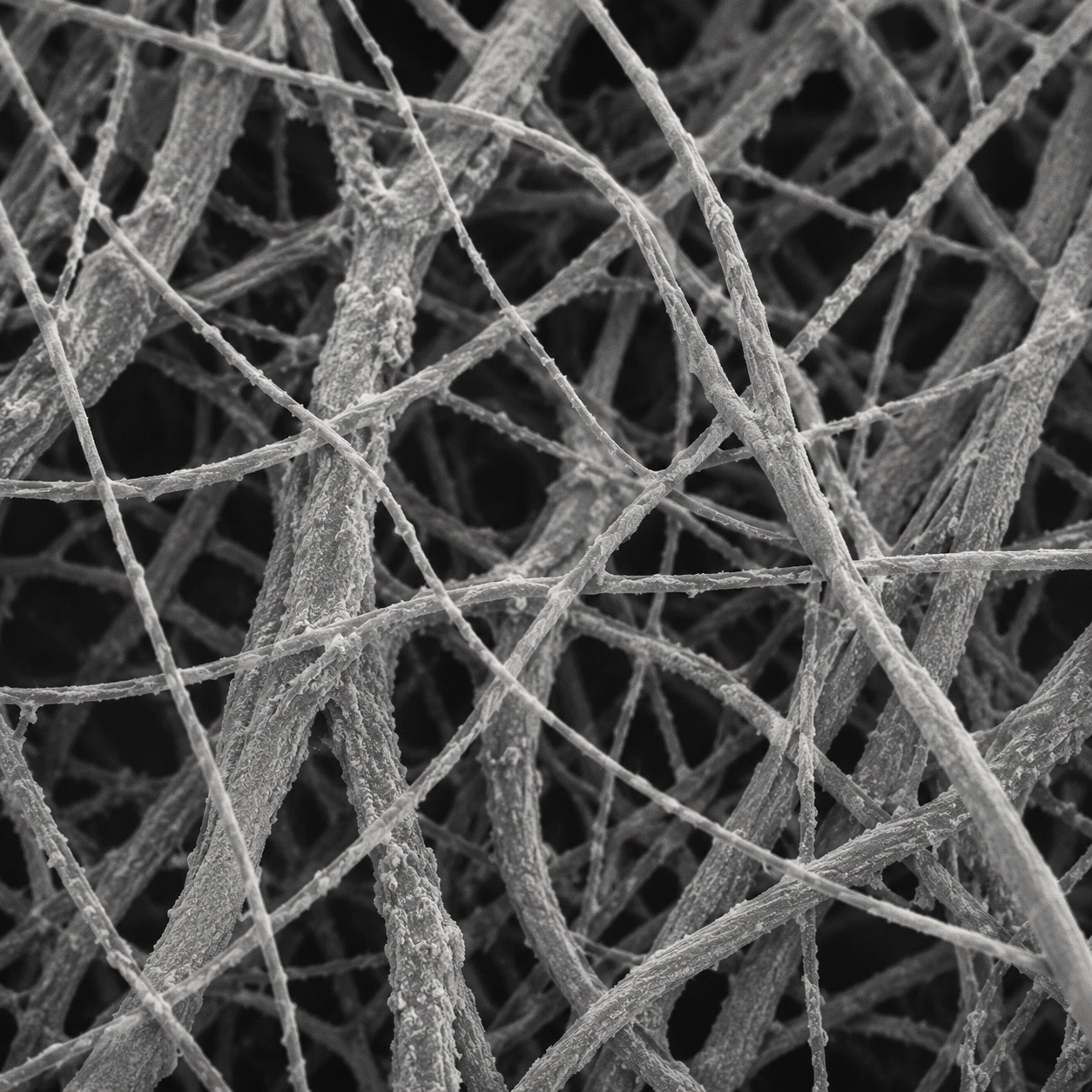
MICROKAPPA™ is ELIMFILTERS’ cabin air filtration architecture, developed to help capture airborne dust, pollen and fine particulate matter before they enter the vehicle’s ventilation system and passenger compartment.
Its media structure is designed to balance particle retention with controlled airflow resistance, supporting consistent HVAC performance throughout the filter’s service interval. The architecture also helps limit contaminant accumulation within ventilation ducts, evaporator surfaces and other HVAC components.
MICROKAPPA™ can be configured for different cabin-filter geometries and operating environments, providing a dependable filtration solution for passenger vehicles, commercial fleets and heavy-duty equipment.
OPERATING REALITY
Dust, pollen and fine airborne particulate enter through fresh-air intake and recirculation paths. As loading develops, filtration efficiency, contaminant capacity and airflow resistance must remain balanced for the approved HVAC application.
APPLICATION ENVIRONMENT
SPECIFICATION & SELECTION
Known application? Use Part Search. Airflow, fit or premature-loading problem? Use technical review.
HOW THE SYSTEM BEHAVES
A cabin filter is not defined by capture alone. Media structure, filtration area, loading behavior, frame sealing and HVAC airflow demand determine whether the system can maintain useful ventilation through the service interval.
SERVICE & DIAGNOSIS
Recurring airflow loss or unusually short service intervals justify an HVAC filtration review.
REQUEST CABIN FILTRATION REVIEWQUESTIONS FROM THE FIELD
MICROKAPPA™ is ELIMFILTERS’ cabin air filtration architecture for controlling airborne dust, pollen and fine particulate matter before they enter the ventilation system and passenger compartment.
Cabin filtration helps reduce airborne particulate entering the occupied compartment and can also limit contaminant accumulation on ventilation ducts, evaporator surfaces and other HVAC components.
Yes. Particle retention and airflow resistance must be balanced. Excessive restriction can reduce ventilation performance, so the filter must be matched to the approved HVAC application.
High dust exposure, pollen, construction environments, agricultural duty, extended service intervals and heavy recirculation can accelerate loading.
Approved configurations can support passenger vehicles, commercial fleets and heavy-duty equipment across different cabin-filter geometries and operating environments.
Vehicle or equipment identification, current filter, dimensions and geometry, HVAC configuration, operating environment, service interval and airflow or odor complaints are useful inputs.
TECHNICAL BASIS
Efficiency, pressure-drop and capacity values belong to validated individual filter data and the applicable test method.
MICROKAPPA™ is not assigned one universal efficiency, particulate rating, pressure-drop value or service interval across every cabin application.
WHEN A TECHNICAL REVIEW MAKES SENSE
Repeated airflow complaints, premature loading, fit problems or severe operating environments justify reviewing the complete cabin-air path rather than replacing elements by appearance alone.
SYSTEM INTEGRATION
MICROKAPPA™ controls particulate entering operator and passenger HVAC systems while preserving the airflow required by the ventilation architecture.
EXPLORE PROTECTION SYSTEMFinal selection resolves filter geometry, media configuration, particle-control requirement, airflow resistance, seal integrity and the real contamination environment.
APPLICATION SUPPORT
Use Part Search when the application is known. For recurring airflow loss, premature loading or uncertain cabin-filter architecture, use technical review.
EXPLORE RELATED TECHNOLOGIES