
01 / Full-flow and offline particulate filtration
This mechanism is evaluated together with the operating envelope, contamination load, compatibility and required treatment outcome.
FILTRATION TECHNOLOGY
Industrial Lubrication Filtration
Industrial lubricating-oil particulate control for circulating systems, gearboxes, bearings and turbine or machinery lubrication duties.
Control ingressed solids and internally generated wear debris while maintaining acceptable oil flow and restriction across the actual viscosity and temperature envelope.
DESCRIPTION
Control ingressed solids and internally generated wear debris while maintaining acceptable oil flow and restriction across the actual viscosity and temperature envelope.
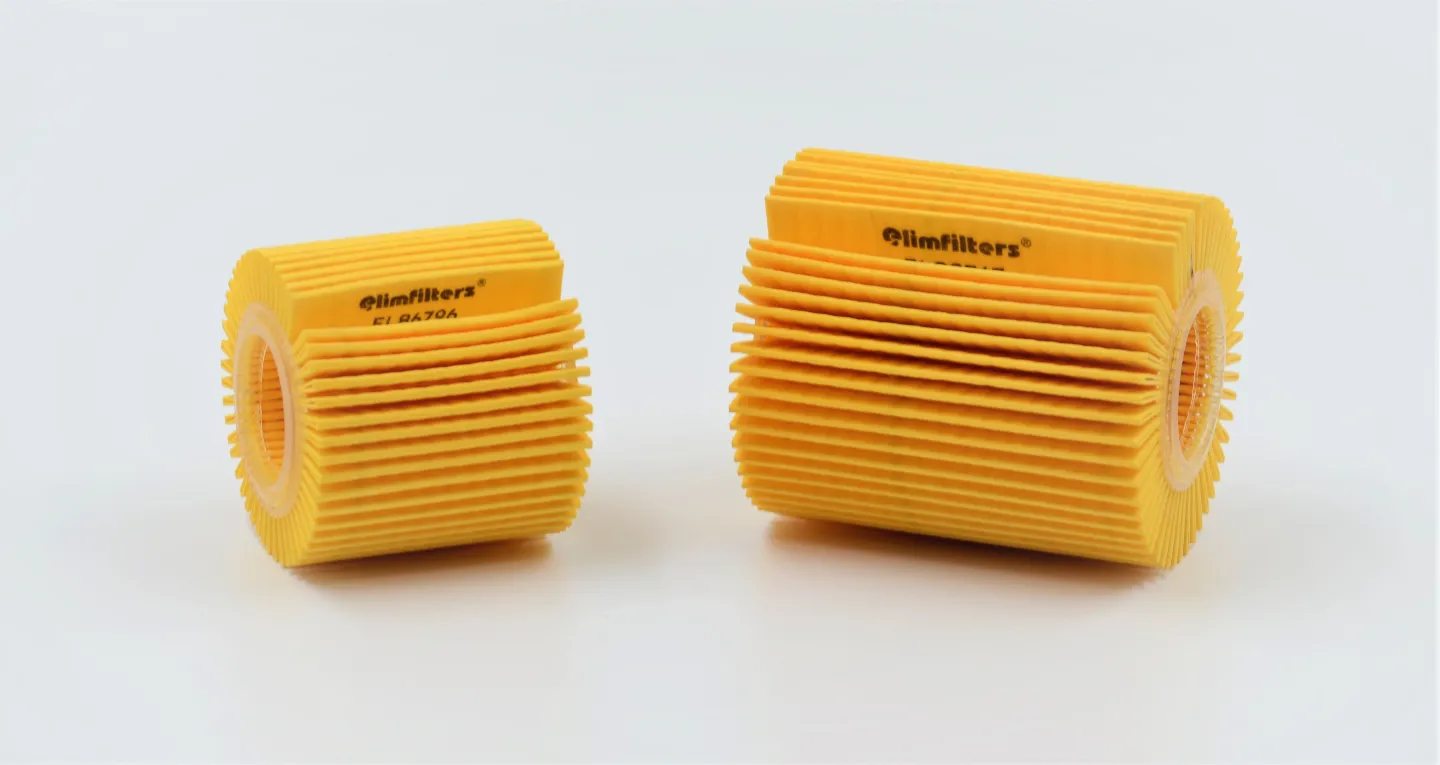
This mechanism is evaluated together with the operating envelope, contamination load, compatibility and required treatment outcome.
This mechanism is evaluated together with the operating envelope, contamination load, compatibility and required treatment outcome.
This mechanism is evaluated together with the operating envelope, contamination load, compatibility and required treatment outcome.
This mechanism is evaluated together with the operating envelope, contamination load, compatibility and required treatment outcome.
This mechanism is evaluated together with the operating envelope, contamination load, compatibility and required treatment outcome.
OPERATING REALITY
The filter, element, media, vessel or treatment device is only one part of the result. Flow, contaminant loading, pressure, temperature, chemistry, housing condition, drainage, sealing and upstream/downstream process behavior can materially change performance.
LUBREVA™ identifies a treatment function. It does not make every product or system inside that category technically interchangeable.
Efficiency, capacity, pressure drop, outlet quality, service interval and compatibility remain tied to validated product or project evidence.
APPLICATION ENVIRONMENT
SPECIFICATION & SELECTION
Known project conditions? Send the operating data. Uncertain process or treatment path? Use the engineering review.
HOW THE SYSTEM BEHAVES
Control ingressed solids and internally generated wear debris while maintaining acceptable oil flow and restriction across the actual viscosity and temperature envelope.
Final design depends on the project operating window and the validated configuration selected for the application.
Final design depends on the project operating window and the validated configuration selected for the application.
Final design depends on the project operating window and the validated configuration selected for the application.
Final design depends on the project operating window and the validated configuration selected for the application.
Final design depends on the project operating window and the validated configuration selected for the application.
The objective is controlled contamination or conditioning performance at the required process boundary—not simply installation of a familiar filter form.
ENGINEERING GUIDANCE
LUBREVA™ addresses particulate contamination. Water, dissolved degradation products, varnish precursors or chemistry problems can require DEWATIS™ or OILREVEX™ rather than simply installing a finer particulate element.
Lubricating oils can operate across a wide viscosity range. Startup temperature, pump flow and fluid grade materially affect differential pressure and must be considered when sizing the element and housing.
A rising wear-debris trend can indicate an equipment problem as well as a filtration load. Repeated short element life should trigger investigation of the contamination source rather than automatic escalation to a finer medium.
A dedicated offline loop can support continuous reservoir cleanup without forcing the treatment flow to equal the machine lubrication flow, but its effectiveness still depends on reservoir turnover, ingression and contamination generation.
LUBREVA™ is the Industrial & Process lubrication family. It does not inherit SYNTRAX™ branding or On-Road / Off-Road product claims.
SERVICE & DIAGNOSIS
Repeated breakthrough, pressure-drop problems, unstable outlet quality or short service intervals justify reviewing the whole process boundary.
REQUEST PROCESS REVIEWQUESTIONS FROM THE FIELD
LUBREVA™ is the ELIMFILTERS Industrial & Process technology for industrial lubrication filtration. Its role is to control ingressed solids and internally generated wear debris while maintaining acceptable oil flow and restriction across the actual viscosity and temperature envelope.
LUBREVA™ belongs to FLUREXIS™ — Fluid Conditioning Technologies. The platform defines the commercial treatment universe while the family identifies the specific mechanism or treatment function.
No. Industrial & Process selection starts with the operating problem, process conditions, contaminant, flow, pressure, temperature, compatibility requirements and required outcome. Product configuration follows the validated application.
No universal performance value is assigned across the family. Numeric efficiency, capacity, pressure-drop, service-life or outlet-quality claims must remain tied to validated product or project evidence.
LUBREVA™ controls solid contamination and wear debris in industrial lubrication systems while respecting oil viscosity, flow, temperature and the requirements of the protected equipment.
Offline treatment is useful when continuous reservoir cleanup is required independently of the machine lubrication flow, provided the loop is sized around reservoir turnover, contamination generation and the required cleanliness objective.
Not necessarily. Water and dissolved or semi-soluble degradation products can require different treatment mechanisms. FLUREXIS™ separates those duties into DEWATIS™ and OILREVEX™ when the diagnosis supports them.
No. Viscosity is one input. Selection also requires flow, temperature, cleanliness objective, contamination load, equipment sensitivity, housing interface and allowable differential pressure.
TECHNICAL BASIS
TC-LUB-01 remains the mechanism-level engineering identifier behind the customer-facing family.
No universal efficiency, capacity, micron rating, separation percentage, service-life multiplier or outlet-quality value is assigned across LUBREVA™ without validated evidence for the specific product or project.
Approved engineering relationships, operating conditions and diagnostic guidance for LUBREVA™ are maintained in the governed ELIMFILTERS Knowledge Center.
WHEN A TECHNICAL REVIEW MAKES SENSE
Repeated failures, unstable process quality, short service intervals, unexpected pressure drop, contamination breakthrough or uncertain compatibility justify reviewing the complete operating environment and treatment architecture.
PLATFORM INTEGRATION
Industrial hydraulic- and lubrication-fluid conditioning for solid contamination, water and selected oil-degradation products.
EXPLORE PLATFORMLUBREVA™ is resolved inside the FLUREXIS™ platform. Final selection connects the treatment mechanism to operating conditions, contamination load, compatibility, required outcome and validated product evidence.
APPLICATION SUPPORT
Industrial & Process projects are qualified by duty, operating envelope, contamination mechanism, process risk and system compatibility before the physical solution is selected.