Airborne Contamination
Dust, sand and fine particulate can load engine air-intake systems across drilling, production and field-service environments.
DIRECT ANSWER
The correct filtration strategy starts with the asset and contamination source, then resolves the protected system, component sensitivity, duty cycle, maintenance access and validated application evidence. Oil and gas equipment should not be selected by industry label or service interval alone.
FIELD OPERATING REALITY
Drilling, pumping, compression, hydraulic control and field power place different demands on filtration even when equipment operates at the same site.
Dust, sand and fine particulate can load engine air-intake systems across drilling, production and field-service environments.
Drilling, lifting, pressure control and auxiliary functions depend on pumps, valves and actuators working with controlled fluid cleanliness.
Bulk tanks, transfer equipment, mobile refueling, condensation and water exposure can contaminate fuel before it reaches the engine.
Long operating periods, heat, vibration and limited maintenance windows increase the importance of predictable filtration performance and service planning.
A drilling rig, compressor and hydraulic power unit may share a site but not the same contamination mechanism, component sensitivity or service access.
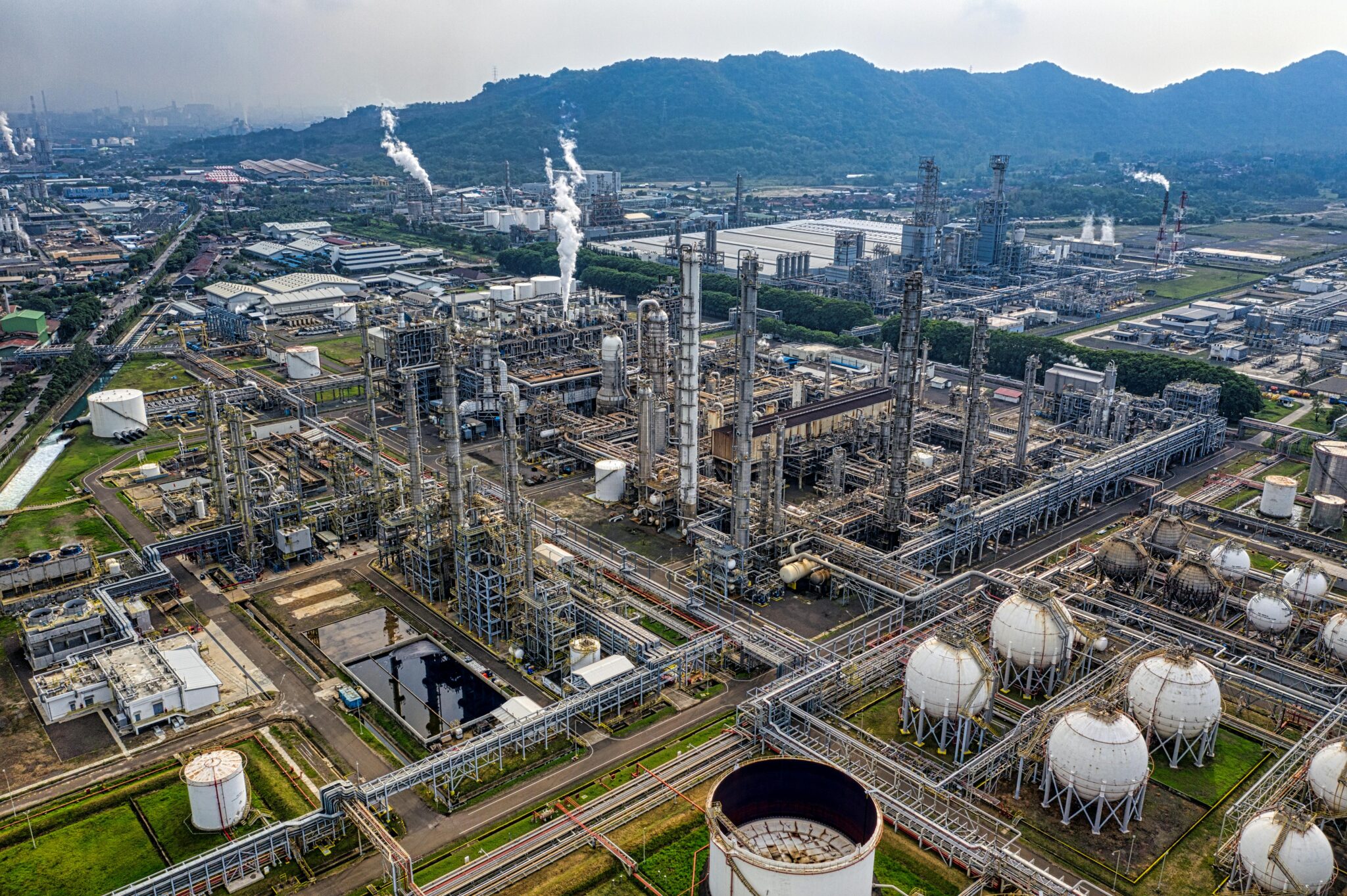
CONTAMINATION PATHWAYS
Selection should move from contamination source to protected system, then to the appropriate ELIMFILTERS technology and finally to a validated part.
Airborne particulate around drilling and field operations
Ingress + internal wear + service contamination
Storage + transfer + condensation + field refueling
Wear debris + soot + service ingress
The filtration decision must resolve the equipment, contamination pathway, protected interface, operating duty and application evidence before a product number is accepted.
We are proud to serve customers who build a better future and protect what matters. ELIMFILTERS® protection systems keep oil & gas equipment running, because the industries we serve most depend on us being reliable.
Primary air elements are the main contamination barrier protecting the combustion chamber from particulate ingestion. MACROCORE™ progressive-density media distributes contaminant loading through the full media depth while balancing efficiency, capacity, and restriction.
View Primary Air →OPERATING CONTINUITY
Filtration supports more than the component itself. It protects the operating sequence around engines, pumps, compressors and hydraulic functions that other field activities may depend on.
An engine, pump or compressor taken out of service can interrupt a larger operating sequence and constrain production support.
Contamination can affect the precision interfaces responsible for pressure control, actuation and repeated hydraulic response.
Air, fuel and lubricant cleanliness influence the protection of combustion and lubricated interfaces under extended field duty.
Remote sites and constrained service windows make application evidence and condition-aware maintenance especially important.
Filtration protects higher-value pumps, valves, injectors, bearings, turbochargers and other serviceable components.
A disciplined contamination-control path supports more predictable service planning across critical field equipment.
FROM FIELD CONDITION TO PART
Identify the drilling rig, pump, compressor, hydraulic power unit or engine-driven equipment.
Define dust, sand, moisture, fuel handling, heat, vibration and environmental contamination.
Establish load, operating hours, pressure, service access and maintenance constraints.
Match the contamination mechanism to air intake, hydraulic, fuel or lubrication protection.
Validate the final filter using OEM reference, dimensions and documented application evidence.
APPLICATION EVIDENCE
Final identification should reconcile the known reference, equipment or engine context, dimensions, protected system and operating conditions. Where evidence is incomplete, the application should remain under review rather than be treated as confirmed.
OIL & GAS FILTRATION QUESTIONS
Air intake, hydraulic, fuel and lubrication systems are common protection priorities across drilling rigs, compressors, pumps, hydraulic power units and engine-driven field equipment. The correct priority depends on the asset, contamination source, component sensitivity, duty cycle and service conditions.
Oil and gas equipment may operate for extended periods in dust, sand, heat, vibration, remote locations and variable fuel-handling conditions. These factors can increase contamination exposure while reducing service flexibility, so filtration should be selected around the operating environment and protected system rather than equipment category alone.
Fuel can acquire particulate or water through bulk storage, tank breathing, condensation, transfer equipment, mobile refueling and handling practices. The protection strategy should consider the complete path from storage to the engine.
Hydraulic systems rely on pumps, valves, actuators and control interfaces operating under pressure. Contamination can interfere with those precision surfaces, so filtration should be matched to cleanliness requirements, pressure, duty cycle and component sensitivity.
No. A calendar or hour interval does not describe contamination loading, fuel quality, hydraulic sensitivity, dust exposure, sealing condition or maintenance access. Service planning should be informed by the application and operating conditions.
Use the equipment, engine or power unit, protected system, operating environment, duty cycle, OEM or existing part reference, dimensions when available and validated application evidence.
Yes. If an OEM reference or current filter number is known, Part Search provides the fastest route to cross-reference and application information. For an engineering review, include the equipment, protected system and site conditions.
HAVE AN ASSET OR FIELD-CONTAMINATION PROBLEM?
Send the equipment, engine or power unit, protected system, operating conditions and any known OEM or filter reference.
IDENTIFY MY PROTECTION PATH