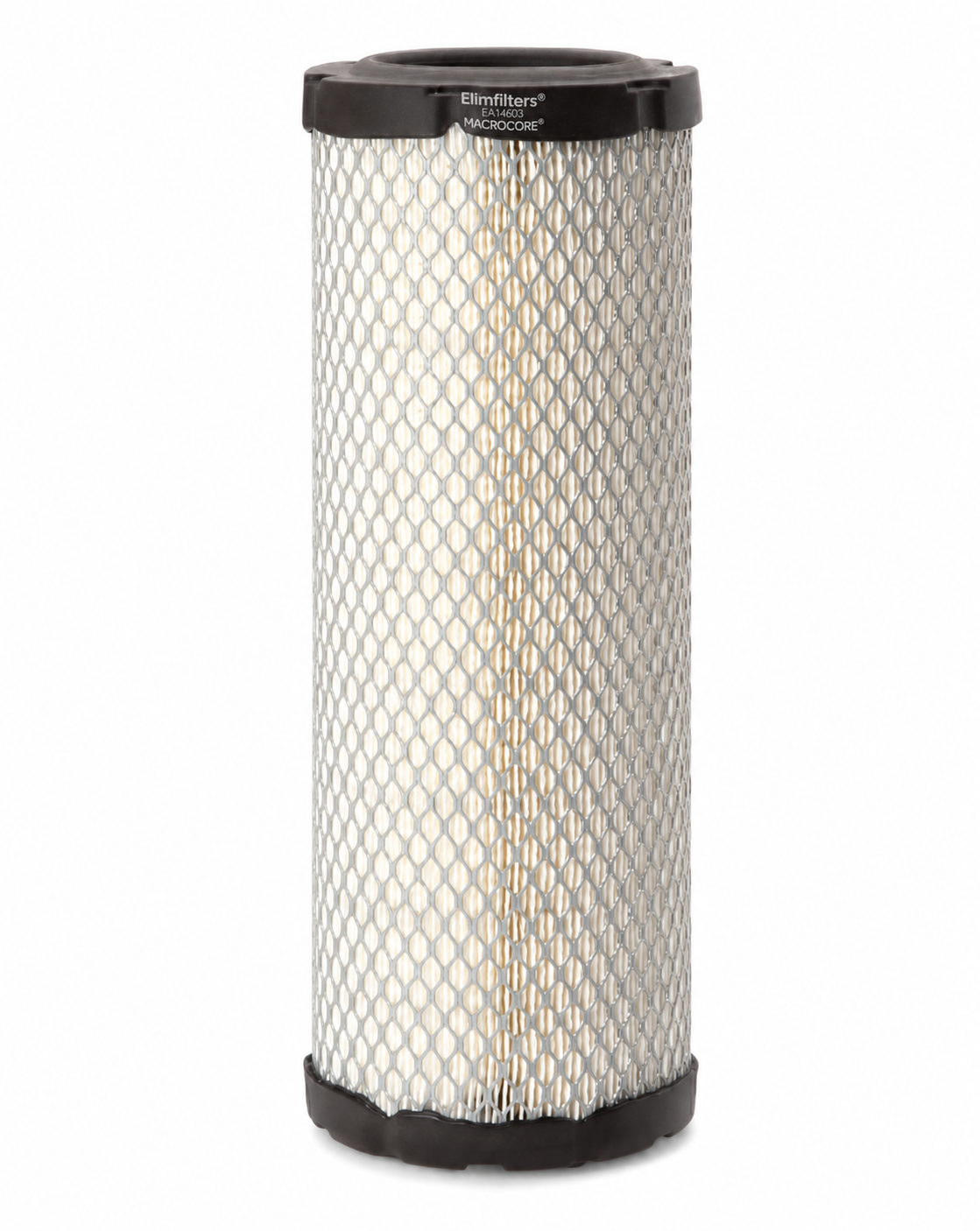
Abrasive Dust
Silica-rich dust, fine soil and demolition particulate can load air-intake systems quickly and challenge sealing integrity.
DIRECT ANSWER
A construction filtration strategy should protect the machine systems most exposed to jobsite contamination: engine air intake, hydraulic circuits, fuel handling and delivery, and lubrication. Final filter selection should then be resolved from the machine, contamination source, component sensitivity, duty cycle, service conditions and validated application evidence.
JOBSITE REALITY
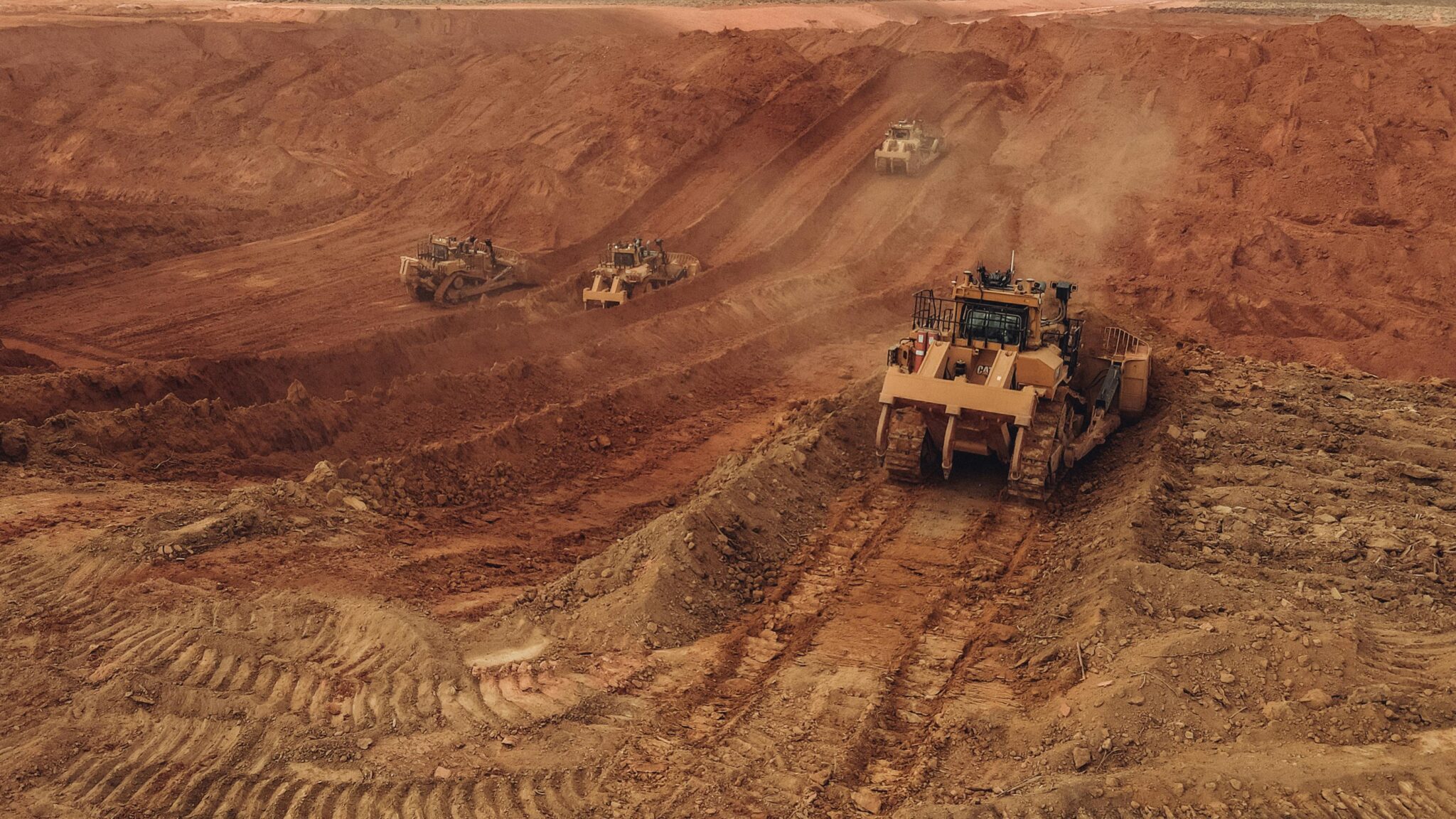
Construction equipment moves between excavation, loading, grading, demolition, compaction and haulage. The machine may stay on one project while the contamination mechanism and duty cycle change several times.
Silica-rich dust, fine soil and demolition particulate can load air-intake systems quickly and challenge sealing integrity.
Excavation, lifting, grading and steering depend on pumps, valves and actuators operating under pressure and repeated load changes.
Mobile refueling, storage, transfer equipment and jobsite moisture can introduce particulate and water before fuel reaches sensitive engine interfaces.
Frequent idle, restart, thermal cycling, vibration and short service windows change how contamination and maintenance interact.
An excavator, loader and grader can operate yards apart and still require different filtration priorities because their airflow, hydraulic load, duty cycle and service access are not the same.
CONTAMINATION PATHWAYS
Construction filtration should begin with the contamination source and protected interface, then resolve the appropriate system, technology and final part.
Airborne abrasive particulate
Ingress + wear particles + service contamination
Storage + transfer + moisture exposure
Wear debris + soot + service ingress
The correct filter is determined by the machine, jobsite contamination, protected system, component sensitivity, duty cycle and service reality—not by equipment category alone.
Every day a machine sits idle on a jobsite is a day a project falls further behind schedule. ELIMFILTERS® filtration protects the hydraulic systems, engines, and drivetrains that keep excavators, loaders, and compactors working through abrasive silica dust and constant start-stop cycles. Our distributor partners keep that protection close to the jobsite, so contractors spend less time waiting on parts and more time building.
Primary air elements are the main contamination barrier protecting the combustion chamber from particulate ingestion. MACROCORE™ progressive-density media distributes contaminant loading through the full media depth while balancing efficiency, capacity, and restriction.
View Primary Air →PROJECT CONTINUITY
A filtration problem on one machine can become a production problem for the crew, the next task and the project sequence. Contamination control therefore supports more than component protection.
A machine removed from service can affect crews, sequencing and the next dependent task on the jobsite.
Contamination can compromise the precision interfaces that control digging, lifting, grading and steering functions.
Air and fuel contamination can increase the burden on combustion-system protection during dusty, mobile operation.
Jobsite conditions should inform inspection and service decisions instead of relying on calendar intervals alone.
Contamination control helps protect pumps, valves, injectors, bearings and other high-value serviceable components.
Consistent filtration discipline supports more predictable equipment availability across active projects.
FROM JOBSITE TO PART
Identify the excavator, loader, dozer, grader, compactor or haul unit.
Define dust, demolition debris, moisture, fuel handling, heat and vibration exposure.
Establish operating hours, hydraulic demand, start-stop pattern and service access.
Match the contamination mechanism to air intake, hydraulic, fuel or lubrication protection.
Resolve the product through OEM reference, dimensions and validated application evidence.
APPLICATION EVIDENCE
A construction application becomes stronger when the equipment identity, protected system and operating reality are checked against available OEM references, current filter numbers, dimensions and documented application evidence before the final product is selected.
Machine, engine, model and protected system establish the technical context.
Dust, moisture, fuel handling, hydraulic demand, vibration and service access define the operating reality.
OEM references, current filter numbers, dimensions and application evidence support final product identification.
CONSTRUCTION FILTRATION QUESTIONS
Construction equipment operates in concentrated dust, vibration, hydraulic load, repeated start-stop cycles and changing jobsite conditions. Those factors increase contamination exposure and make service access less predictable, so filtration should be selected around the actual duty cycle rather than a generic maintenance interval.
Air intake, hydraulic, fuel and lubrication systems are usually central to construction equipment protection. The priority depends on the machine, jobsite contamination, hydraulic sensitivity, fuel-handling conditions and service schedule.
Fine silica-rich dust can load the air-intake system and challenge sealing interfaces. If particulate bypasses the intended protection path, it can reach sensitive engine surfaces and contribute to abrasive wear. Restriction trend, sealing integrity and service practice should therefore be evaluated together.
Excavators, loaders, dozers and graders rely on high-pressure pumps, valves and actuators. Contamination can interfere with those precision interfaces, so hydraulic filtration should be matched to fluid cleanliness requirements, pressure, duty cycle and component sensitivity.
Fuel can pick up particulate or water through storage tanks, transfer equipment, mobile refueling, tank breathing and condensation. The protection strategy should consider the complete handling path before fuel reaches the engine.
No. Service interval is only one input. The final selection should also resolve the machine, protected system, contamination source, component sensitivity, duty cycle, sealing condition and available application evidence.
Provide the machine, engine or equipment model, protected system, duty conditions, any known OEM or current filter number, and relevant dimensions when available. This creates a stronger application-evidence path than selecting from equipment category alone.
Yes. If the OEM reference or current filter number is known, Part Search provides the fastest route to cross-reference and application information. For an engineering review, include the machine, engine, protected system and jobsite conditions.
NEED TO RESOLVE A CONSTRUCTION APPLICATION?
Send the machine, engine, protected system, jobsite conditions and any known OEM or filter reference. ELIMFILTERS can use that information to structure the application path and move from operating condition to validated product identification.
IDENTIFY MY PROTECTION PATH